
A defective component can travel through several suppliers, factories, and distribution points before anyone realizes something went wrong. By that stage, fixing the problem may require rework, delays, or recalls. Strong visibility changes that pattern. When manufacturers can see what happened at each production stage, data transparency builds trust in global supply chains while helping teams identify risks before defective products reach the market.
How Can Manufacturers Catch Defects Earlier?
Manufacturers prevent defects more effectively when quality information is available before products leave the factory. Inspection results, supplier records, production data, and corrective actions should be accessible to teams responsible for quality decisions.
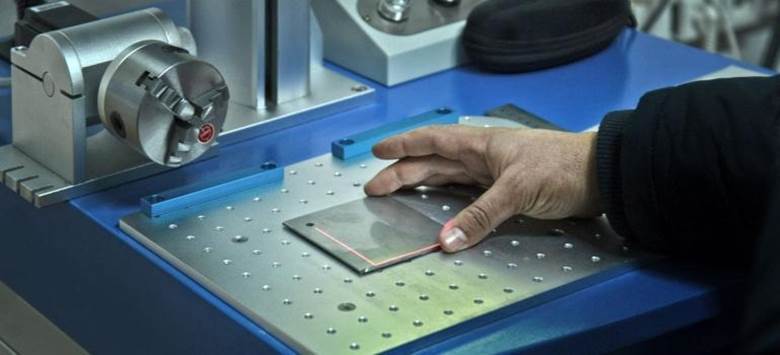
Quality teams should have easy access to inspection, supplier, production, and corrective-action data.
For companies considering how to maintain product quality, reliable data provides a practical starting point. Manufacturers can compare defect rates, identify recurring supplier problems, and investigate unusual results before they spread.
Useful quality information can include:
- Incoming material inspection results
- In-process quality findings
- Final inspection records
- Supplier corrective actions
- Defect trends by production line
The goal is to collect information that supports faster and more accurate quality decisions.
What Happens When Operations Change?
Operational changes can interrupt visibility unless manufacturers plan how records will move with products, equipment, and teams. Factory relocations, warehouse changes, new suppliers, and production transfers can create gaps between physical inventory and digital records. Heart Moving has seen this gap show up most often during equipment and inventory transfers, when the physical relocation moves faster than the paperwork tracking materials, batches, and quality documentation behind it. Keeping those records connected helps teams confirm where materials originated, which equipment processed them, and whether required inspections were completed.
How Is Industry 4.0 Improving Visibility?
Industry 4.0 is transforming the supply chain by connecting machines, manufacturing systems, suppliers, and quality teams through shared digital information. Sensors, cloud platforms, and automated inspection systems can provide data much faster than paper-based processes.
Manufacturers can use connected systems to detect changes that may lead to defects. A machine operating outside normal parameters can trigger an investigation before an entire batch is affected.
Useful signals include:
- Equipment performance changes
- Temperature or pressure variations
- Unusual inspection failure rates
- Differences between supplier batches
- Repeated defects linked to one process
Connected technology becomes valuable when manufacturers establish clear rules for responding to those signals.
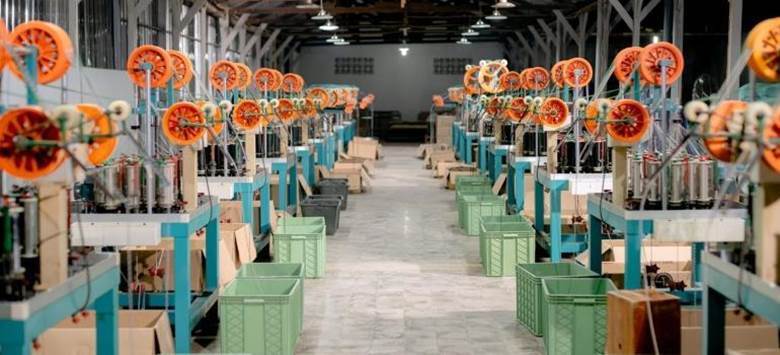
Clear, consistent reporting shows how data transparency builds trust in global supply chains by making quality issues easier to identify and resolve.
Why Does Material History Matter?
Raw-material traceability allows manufacturers to identify where materials originated and where they were used. This matters when several factories or suppliers contribute to the same finished product.
If an incoming material fails inspection, teams should be able to identify every affected batch quickly. Accurate records can prevent questionable materials from entering production while allowing unaffected inventory to continue moving.
Traceability also strengthens supplier management by showing whether defects are isolated incidents or recurring problems.
How Does Transparency Improve Supplier Quality?
Supplier transparency creates accountability because quality decisions can be based on shared evidence rather than assumptions. When manufacturers and suppliers use consistent inspection standards, both sides can see where problems begin.
This is one reason data transparency builds trust in global supply chains. Suppliers can demonstrate consistent performance, while manufacturers can provide clear evidence when specifications are not met.
A strong supplier-quality process should define:
- Which specifications suppliers must document
- Which inspection results must be shared
- How quickly nonconformities must be reported
- Who owns corrective actions
- How recurring problems will be escalated
Clear requirements reduce disputes by giving both sides access to the same production and inspection records.
Can Better Data Reduce Production Variability?
Yes. Manufacturers can reduce variability by comparing actual production conditions with established quality limits. Consistent data makes small changes easier to detect before they create larger problems.
A manufacturer may discover that defects increase during one shift or after a machine setting changes. Another facility may find that one supplier batch consistently produces different results.
These patterns are harder to detect when information is scattered across spreadsheets, emails, and paper reports.
Why Should Quality Teams Share Information Faster?
Fast information sharing allows manufacturers to contain problems before more products are affected. A defect found during inspection should reach production, procurement, engineering, and supplier-quality teams quickly.
Data transparency builds trust in global supply chains because partners do not have to wait for a major failure before learning that something changed. Early reporting gives suppliers time to investigate while manufacturers isolate questionable inventory.
Manufacturers should still establish access levels so each team receives information relevant to its decisions.
How Can Manufacturers Make Data More Reliable?
Manufacturers need consistent standards for collecting, storing, and reviewing quality information. Different factories should not record the same defect in completely different ways.
Standardized defect categories, supplier codes, batch numbers, inspection methods, and corrective action records make information easier to compare. Automated collection can also reduce transcription errors.
Quality teams should regularly confirm that collected data reflects actual production conditions.
What Should Manufacturers Measure?
Manufacturers should measure indicators that reveal whether processes are becoming more or less stable. Tracking too many metrics can hide meaningful signals.
Useful measures include first-pass yield, supplier defect rates, rework frequency, incoming inspection failures, customer returns, and corrective action closure times.
Quality teams should focus on trends. A small but steady increase in defects may provide an earlier warning than one unusually poor production day.

Too many metrics can make important patterns harder to spot.
How Does Transparency Support Continuous Improvement?
Transparent information makes improvement measurable. Manufacturers can compare performance before and after corrective action to determine whether a change solved the problem.
A supplier may adjust a process, or a factory may revise inspection frequency. Reliable data reveals whether those decisions reduced defects.
This creates a stronger improvement cycle: identify the problem, investigate its source, introduce corrective action, and measure the result.
Building Trust Through Better Data
Supply-chain trust depends on manufacturers, suppliers, and quality teams being able to rely on the same information. Traceable materials, connected systems, consistent inspection records, and faster reporting make quality problems easier to identify and contain. Ultimately, data transparency builds trust in global supply chains because manufacturers can respond quickly to changing conditions and prevent defects through evidence-based quality control.