Warehouse operations directly affect product quality outcomes. Many teams focus only on production quality. However, problems often appear after goods enter storage. Poor handling and weak storage control can damage products before delivery. After all, for e-commerce sellers looking to make a killing during the peak season, having goods they’ve stockpiled in their warehouses get damaged is the last thing they want to see.
Of course, layout still plays a role, but it is not the only factor. Temperature, humidity, airflow, and daily practices also influence results. A well-managed warehouse reduces risks at every stage. In contrast, poor control allows small issues to grow over time.
Another issue is inconsistent routines across shifts. Workers may follow different methods for the same task. As a result, product handling becomes uneven and less predictable. Clear instructions help reduce this variation and support better outcomes.
Why Warehouse Conditions Shape Product Quality Outcomes
Manufacturers require a good warehouse. However, internal conditions often have a stronger impact. Temperature changes can weaken materials or spoil goods. High humidity can damage packaging or create mold. Poor airflow can trap heat and moisture.
Besides, handling practices increase risk. Frequent movement raises the chance of drops or pressure damage. Overstacking can deform products. Similarly, poor stocking blocks airflow and worsens conditions. These factors directly influence product quality outcomes.
Storage time also plays a role in product condition. Goods that remain in storage longer face more exposure to risk. In many situations, even small environmental changes become serious over time. Monitoring systems can help reduce this risk and support better control.
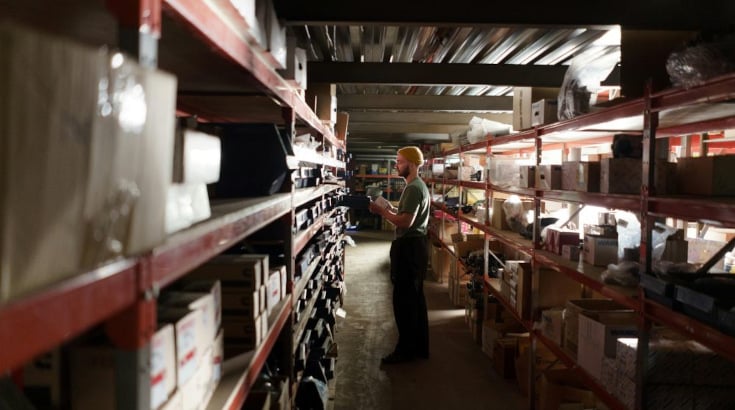
Longer storage increases exposure to damage and weakens product quality over time
Hidden Quality Risks in Warehouse Operations
Many risks exist inside warehouse operations. Storage zones often lack clear rules for placement. This leads to mixing products with different needs. For example, temperature-sensitive goods may sit in unstable areas.
Inspection space is another weak point. If it is poorly placed, checks may be rushed or skipped. Moreover, transport paths can create congestion. This increases handling and raises damage risk. Traceability gaps also make it harder to find the source of issues.
Lighting conditions also affect quality checks. Poor visibility makes defects harder to detect. In addition, unclear labeling can cause picking errors. These mistakes affect both product quality and customer satisfaction.
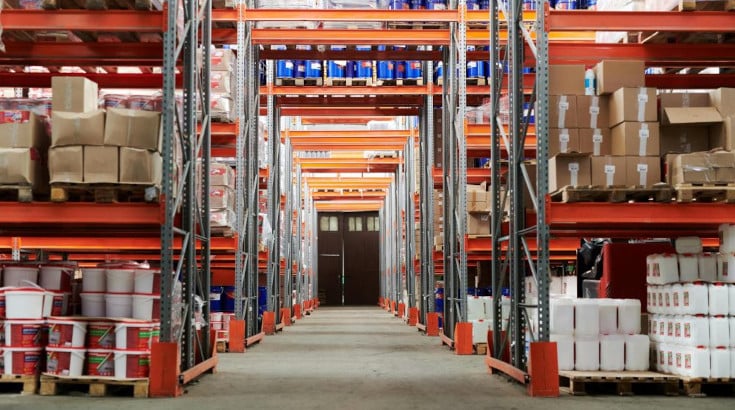
These risks reduce control and increase the chance of product damage across warehouse operations
The Role of Flow, Handling, and Space Design
A warehousing strategy supports smooth and direct product flow. Clear movement paths reduce delays and limit unnecessary handling. Each extra step increases the chance of damage. As a result, better flow helps protect product conditions across operations.
Handling methods must match the type of product in storage. Heavy goods need proper equipment and enough space. Fragile items require careful movement and stable placement. On the other hand, poor space design forces workers to rush, which increases mistakes.
A well-structured warehousing strategy also supports better use of space. Organized layouts allow safer movement and reduce congestion. In addition, clear pathways improve efficiency and reduce pressure on workers. This leads to fewer errors and better product quality outcomes.
Worker awareness remains important in this process. Teams need to understand how handling affects product conditions. For this reason, regular training improves consistency and reduces risk. Reliable equipment also supports safe handling and better overall performance.
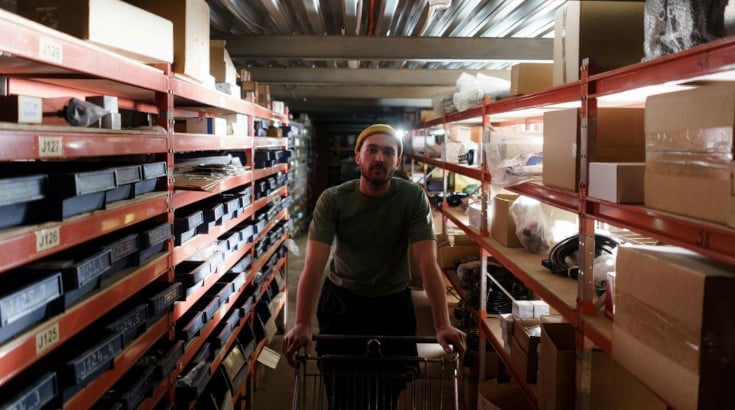
A well-structured strategy ensures handling and flow support consistent product quality outcomes
Environmental Control and Its Direct Impact on Quality
Environmental control is essential for product protection. Temperature must stay within safe limits at all times. Sudden changes can cause damage or spoilage. At the same time, humidity must remain stable to protect packaging and materials.
Air quality is often overlooked in warehouse settings. Dust and contaminants can settle on products and reduce quality. Likewise, poor ventilation traps harmful particles inside the space. Clean air supports better product quality over time.
Different products require different conditions. Food, electronics, and chemicals all have specific needs. Because of this, warehouses should separate goods based on requirements. Regular checks and alerts help maintain stable conditions and prevent issues.
What Strong Warehouse Organization Looks Like
A strong warehouse uses clear zones for each activity. Receiving, inspection, storage, packing, and shipping areas should be separated. This reduces confusion and limits unnecessary movement. In addition, clear labeling improves accuracy.
Good organization reduces congestion across the warehouse. Workers can move goods safely and with fewer delays. Equally important, proper spacing supports safe equipment use. These steps help maintain consistent product conditions.
Standard procedures also improve daily operations. Clear steps guide workers through tasks and reduce variation. As a result, processes become more reliable. Digital tools can support this by tracking inventory and storage conditions in real time.
Quality Control Beyond Layout
Quality control must cover all warehouse activities. Inspection routines should be simple and easy to repeat. Clear checkpoints help detect issues early. Nevertheless, layout alone cannot ensure consistent quality.
Third-party verification can strengthen warehouse control. External experts can review storage conditions and handling practices. They may find risks that internal teams overlook. Consequently, this approach improves product quality over time.
Documentation also supports quality control efforts. Records help track product history and storage conditions. In turn, this allows better analysis and faster response to issues. Regular reviews help maintain strong performance.
Supporting Changes During Warehouse Transitions
Warehouse changes can create risks if not managed well. Relocation, expansion, or reconfiguration often disrupt operations. Products may face more handling and unstable conditions. Because of this, careful planning is necessary.
Logistics support can help reduce these risks. Professional teams can handle transport and setup with care. At the same time, they help protect inventory during transitions. This keeps product quality outcomes stable.
Temporary storage setups must also follow basic standards. Even short-term solutions need proper control. Otherwise, products may suffer damage during the transition period. Clear communication helps teams adjust quickly to new processes.
Summary: Warehouse Operations Directly Affect Product Quality
Warehouse operations have a strong impact on product quality outcomes. Layout plays an important role, but it is only one part of the system. Environmental control, handling, and organization all shape final results.
To sum up, a balanced approach delivers better outcomes. Clear processes and stable conditions reduce risk and improve consistency. Businesses that focus on these areas can better protect their products.
Long-term success depends on continuous improvement. Small adjustments can prevent larger issues over time. Ultimately, better warehouse practices lead to stronger product quality and improved customer trust.