Pet ownership has been a part of human life for thousands of years, and over time, our love for animals has expanded into a booming industry. Today, take the U.S. market alone, there were 94 million U.S. households owning a pet and $152 billion was spent on pt products, according to a 2024 report from the American Pet Products Association (APPA).
As the pet product market grows rapidly, expecting to reach $267 billion by 2030, the demand for high-quality, safe pet products is higher than ever. However, with growth comes increasing risks. Poor-quality pet products can lead to safety hazards, affecting pets and their owners alike.
In this blog, we’ll explore why quality control is becoming essential in the pet industry, common quality issues, and the solutions that can safeguard your products.
Why Quality Control on Pet Products is Becoming Essential
As the pet product market expands, so does the complexity of ensuring product safety and quality. Consumers are becoming more discerning about the items they buy for their pets, seeking transparency and reliability from brands.
According to a 2022 survey by Petco, over 72% of pet owners say they prioritize product safety and quality above all else when choosing pet products. This growing awareness has led to a heightened focus on quality control, as businesses look to mitigate risks associated with manufacturing defects, contamination, and substandard materials. Brands that fail to implement proper quality control practices risk damaging their reputation, customer loyalty, and, ultimately, their bottom line.
Key Pet Products That Require Quality Control
Quality control is essential across all categories of pet products. Here are the key areas where proper quality checks are crucial:
Softline Products:
- Pet apparel, blankets, and bedding
- Pet toys made from fabric or plush materials
Hardline Products:
- Pet carriers and crates
- Pet grooming tools
- Leashes, collars, and harnesses
Electronics:
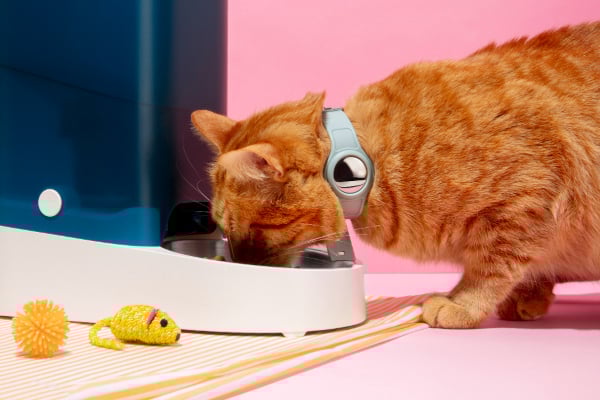
- Automatic pet feeders and water dispensers
- Pet monitoring cameras and smart collars
- Pet-safe electrical devices and lights
Ensuring product safety and performance through proper quality control in these categories helps build customer trust and ensures the well-being of pets.
Common Quality Issues in Pet Products
Despite the growth of the pet product industry, there are several common quality issues that brands and manufacturers must address to ensure safety, quality, and customer satisfaction.
- Material Defects: Many pet products, such as pet collars, bedding, and toys, are made from fabrics or plastics that can wear out quickly. Weak materials can pose choking or ingestion hazards.
- Product Durability: Toys, bedding, and feeding bowls must withstand the wear and tear caused by pets. Products that break or tear easily can harm pets or cause injuries.
- Failure to Meet Regulations: Some regions have specific safety regulations for pet products, but failure to comply with these laws can lead to product recalls or legal issues.
- Defective Electronics: With the rise in electronic pet products, issues such as electrical malfunctions or battery failures are becoming more frequent.
- Contamination Risk: Substandard manufacturing processes can introduce harmful substances, such as toxins in pet food, chemicals in pet grooming products, or bacteria in pet toys.
Develop Your Pet Product Quality Control Plan
To ensure your pet products meet the required safety standards and deliver consistent quality, it's essential to implement a robust quality control plan. Here's how to do it:
- Verify Your Suppliers’ quality and capability: Start by conducting thorough audits on your suppliers to ensure they adhere to your quality expectations. This includes reviewing their manufacturing processes, supply chain transparency, manufacturing facilities, and adherence to safety or environmental standards.
Solution: Supplier Audits. Including Supplier Quality Audit, Social Audit, ESG Audit, SMETA, and so on.
- Inspect Your Products in the middle of production and before shipment: Regular inspections, both during production and post-production, help identify defects before products reach consumers. These inspections should check for material integrity, workmanship, and any safety concerns.
Solution: Product Inspection. Including During-Production Inspection (DURPO), Pre-Shipment Inspection, Defect Sorting, and so on.
- Test the Safety and Durability of Your Products: Professional third-party laboratory testing is crucial for ensuring your products comply with relevant safety standards. This includes lab testing for harmful chemicals, toxicity levels, and durability.
Solution: Laboratory Testing.
- Keep Up with Emerging Requirements and Regulations: Stay updated on changing regulations for pet products, including new safety standards, environmental laws, and ethical considerations. Compliance with these standards helps prevent legal issues and product recalls.
Solution: Subscribe to official regulatory update services.
- Work with a Trustworthy Partner: Collaborating with a reliable quality control partner can help you streamline your QC processes. They can guide you through inspections, audits, and testing, ensuring that your products meet the required standards of quality and safety.
Solution: AQF.
Choose AQF as Your Pet Product Quality Control Partner
Choosing the right partner to manage your pet product quality control is critical for ensuring your brand’s reputation and customer trust. At AQF, we are committed to providing comprehensive quality control solutions for pet product brands and retailers.
From supplier audits to on-site inspections and lab testing, AQF offers end-to-end support to safeguard the quality of your pet products. With 18+ years of experience in the pet product industry, AQF ensures your products meet global safety standards, offering peace of mind for both you and your customers.
Trust AQF to help you navigate the complexities of quality control and drive your brand’s success. Contact Us today!