The European Union’s Packaging and Packaging Waste Regulation (PPWR) is reshaping how businesses manage packaging. Whether you manufacture, import, or sell products in the EU, understanding PPWR is essential and cannot be delayed. The time to prepare is now.
What is PPWR? Understanding the Packaging and Packaging Waste Regulation
The PPWR is a comprehensive EU initiative aimed at making packaging more sustainable, recyclable, reusable, and harmonized across member states. Here’s what you need to know:
- What is PPWR: PPWR is short for Packaging and Packaging Waste Regulation. It sets legal requirements for packaging materials placed on the EU market.
- What’s the purpose: To reduce environmental impact, minimize packaging waste, and promote recycling.
- What’s its scope: PPWR applies to all packaging types, from consumer goods to industrial packaging.
- What are the goals:
- Ensure all packaging is reusable or recyclable by 2030.
- Standardize collection, recycling, and recovery rules across EU countries.
- Encourage eco-design and innovation in packaging materials.
- Replacement: PPWR updates and replaces portions of the previous EU Packaging and Packaging Waste Directive (94/62/EC).
PPWR Timeline: Key Dates You Need to Know
Understanding the PPWR timeline is essential for strategic planning. The timeline currently stretches to 2040, and several implementing acts and delegated acts are still expected from the European Commission:
- 11 Feb 2025: PPWR entered into force
- 12 Aug 2026: End of the transition, most PPWR provisions become law for businesses. High-PFAS packaging will be prohibited on the EU market. A harmonized labeling guidelines will be applied to all packaging on the EU market.
- 12 Aug 2028: Harmonized labeling rules, guidance, and requirements will be phased.
- 12 Feb 2029: Mandatory QR codes/data carriers on reusable packaging.
- 2030+: Design and waste targets intensify
Who Will Be Affected by PPWR? Businesses and Stakeholders
PPWR impacts a wide range of organizations. Key stakeholders include:
- Retailers and ecommerce sellers: Sellers are responsible for ensuring products sold comply with recyclability and labeling rules.
- Importers: Businesses bringing products into the EU must comply with packaging regulations.
- Distributors and Logistics Companies: Handling and transport packaging may also need to align with PPWR requirements.
- Manufacturers: Companies producing packaged goods must ensure packaging meets PPWR standards.
Which Products Are Impacted by PPWR? Packaging Materials and Examples
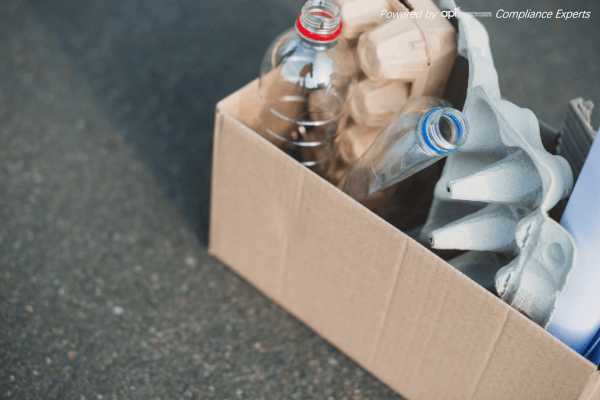
PPWR applies to all the packaging and packed products that will be sold on the EU market. Common examples are:
Packaging:
- Plastic packaging
- Paper packaging
- Wood packaging
Mixed-material packaging
- Packed consumer products:
- Food and beverages
- Apparel, footwear, and baggage
- Cosmetics, personal care, and hotel supplies
- Tableware and furniture
- Other consumer products sold or shipped to the EU market via ecommerce
Exclusion: The PPWR does not apply to packaging that is considered an integral part of the product, or to products that require specific packaging for special reasons (such as antimicrobial or preservative needs). Such as tea bags, medicines, and wine.
What Are The Consequences of Non-Compliance with PPWR?
Ignoring PPWR regulations can lead to serious consequences:
- Financial Penalties: Fines can reach tens of thousands of euros depending on the scale of non-compliance.
- Market Access Restrictions: Products may be banned from EU markets until compliant.
- Brand Reputation Damage: Sustainability-conscious consumers and partners may reject non-compliant products.
- Operational Delays: Non-compliance can result in product recalls or repackaging costs.
Pro Tip: Early preparation is cheaper and less disruptive than retroactive fixes.
Preparing for PPWR Compliance: Steps Your Business Should Take
Effective PPWR compliance requires structured action. Businesses should consider the following steps:
- Audit Current Packaging: Identify all packaging types, materials, and recyclability status.
- Assess Recyclability and Material Requirements: Determine which products need material redesign or labeling updates.
- Redesign Packaging if Needed: Move toward reusable, recyclable, or compostable solutions.
- Update Labels and Documentation: Ensure all packaging carries accurate recycling symbols, material composition, and sustainability claims.
- Implement Tracking and Reporting Systems: Maintain records for regulatory submission and internal monitoring.
- Train Staff and Suppliers: Ensure everyone in the supply chain understands PPWR requirements.
How AQF Can Help Your Business Comply with PPWR Compliance
Navigating PPWR can be complex. Powered by API compliance experts, we have developed a proactive approach with ground floor validation to simplify the process:
1. Expert-Led Risk Assessment
2. Data Foundation for Packaging
3. Lab Testing Validation & Verification
4. Technical Documentation
Partnering with professionals ensures faster compliance, reduced risk, and peace of mind.
Take Action on PPWR Compliance Today
PPWR is more than a regulation—it’s a strategic opportunity to align your business with sustainability trends and maintain access to the EU market. Start now by auditing your packaging, planning for redesign, and implementing compliance systems. The sooner you act, the smoother the transition and the lower the risk of penalties.
It’s not too late to act. Contact us today to ensure your business is PPWR-compliant and prepared for the new packaging landscape.