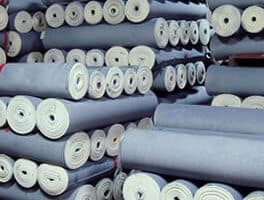
 La inspección de prendas de vestir es un asunto complicado. Usted debe estar seguro de medir los tamaños, ver el peso del material y la composición, y por supuesto, comprobar si hay defectos cosméticos. Los defectos cosméticos en la ropa son numerosos: desde los botones que faltan, hasta la división y los agujeros de las costuras. Pero la comprobación de los rollos de tela debe ser fácil, entonces, ¿no? No son muchos los posibles defectos y las medidas son más fáciles, ¿verdad? En realidad, esto es todo lo contrario; el control de calidad de la tela es muy difícil y requiere métodos precisos. El inspector debe comprobar la conformidad, como por ejemplo, ¿son los rollos de la tela adecuada, los colores y la sensación, la longitud correcta y adecuadamente embaladas?

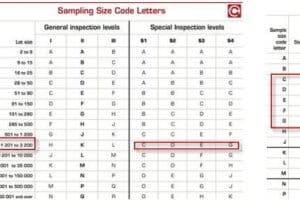 Already, we have introduced
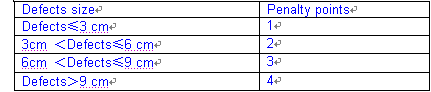
 As the process seems not to be clear for all our clients, we have decided to shed light on this important subject.