
 Para cada inspección de producto es necesario tener una lista de especificaciones y de requerimientos a revisar para ver si los productos alcanzan los requerimientos deseados. Esta información tiene un alto nivel de importancia y es un factor clave para una agencia de inspecciones de control de calidad.
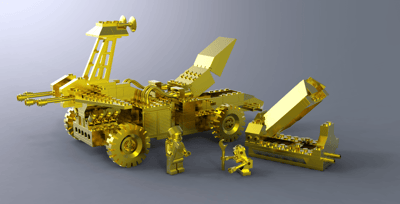 En conjunto con la lista de requerimientos o especificaciones siempre es sabio tener alguna muestra maestra del producto que se quiere inspeccionar despoblé el día de la inspección.
In addition to a list of requirements or specifications, it is always wise to have some master samples of the product you want to inspect available the day of inspection.
These precious master samples (called also golden or reference samples in the business) will help you compare what has been agreed between you and your supplier with the current production and also to avoid any misunderstandings (which is more than common in China for example). Of course this alone is not enough, as a clear list of specifications and requirements needs to be defined and agreed between the two parties.
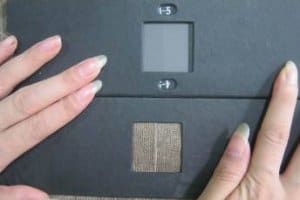 Nowadays, a lot of third party inspection companies are increasing their inspectors' skills and training how to use special tools to check product quality. For example, during a soft-goods or textile inspection the most important tools that will be used are newton meters, metal detectors, barcode scanners, pantone books, etc. But one of the most important for a soft-goods inspection (along with ceramics, toys, and many other items!) is a grey scale in order to evaluate the color shading or staining.
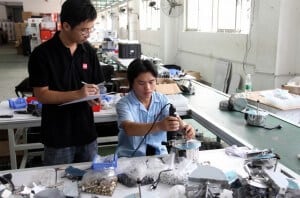 Al ejecutar una inspección, la empresa de control de calidad realizara varias pruebas especiales de control de calidad, dependiendo del tipo de producto. Una de estas pruebas es la prueba de alta tensión (Hi-pot test) que se realiza al inspeccionar productos eléctricos. Los resultados de esta prueba son cruciales para asegurar la calidad de los bienes y que estos alcancen los estándares deseados.
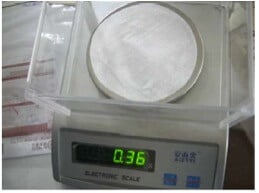 The GSM test is a measurement of Grams per Square Meter, and is one of the most important methods of determining the weights of knitting fabric, non-woven fabric or paper cardboard. Woven fabric, fabric with coating, or laminated fabrics are not as commonly tested using the GSM method, therefore the customer would need to give unique specification prior to GSM testing.
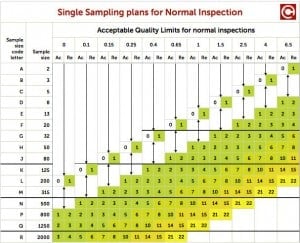
Ya hemos introducido las tablas AQL y discutido los niveles de inspección estándar. Pero, ¿cómo lo hacen las empresas de inspección cuando se encuentran con una inspección fura de los estándares normales del AQL y cómo seleccionan el nivel de muestras necesarias a inspeccionar?
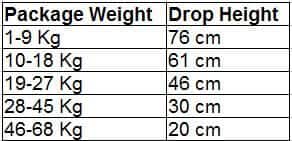
When doing inspections, one of the most common tests done by inspection firms is the Carton Drop test. By testing how durable the box is, you can see how the cartons themselves will hold up during shipment and what potential damage could be done to the products inside. The test is based off of the ISTA (International Safe Transit Association) standard.
Muchas empresas de inspección, como AQF, realizar inspecciones a raíz de la norma ISO 9001. Sin embargo, a veces nos llegan pedidos de un cliente para utilizar otras especificaciones de la ISO, como por ejemplo la ISO 16949 para la industria del automóvil. Pero ¿cuál es la diferencia exacta entre las normas y especificaciones?