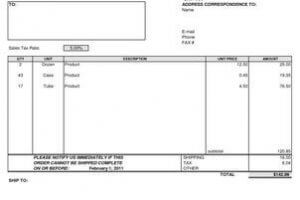
 After problems with their suppliers, many people then look to their Purchase Order and discover issues within. After a botched order, buyers are left wondering where to turn next? Many people end up contacting Quality Control firms after such a problem with a supplier. However, in many cases the issue is that they did not take the time to write up a proper Purchase Order.
Writing a detailed Purchase Order between you and your supplier is a must. Purchase Orders are business forms designed to enter detailed information for a purchase or sale of goods and services. A Purchase Order, also called a requisition or PO, is a vital part of the financial and accounting aspect of business. Templates are invaluable when learning to write a purchase order.

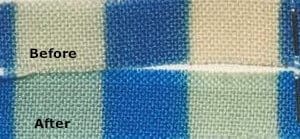 The first time we started to talk about textile colorfast was in 1916. It is an old story in the textile industry! Since then some standard tests have been created to detect color bleeding issues. Recently the issue has been detected in several shipments, including shirts, suitcases and even sneakers. How can we test textile color fastness?
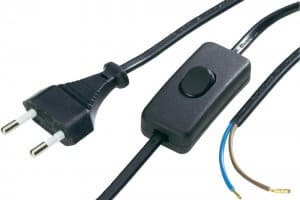 The Quality Control Blog recently discussed the safety classes of
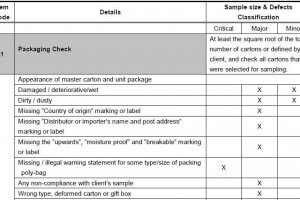 While an importer's specs and list of expected product defects are vital to perform an adequate inspection, reputable inspection firms like AQF have internal inspection checklists for any range of products.
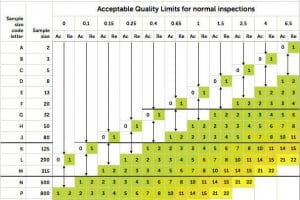 AQL por sus siglas en Ingles Acceptance Quality Limit que significa Nivel de Calidad Aceptado es el estándar usado por muchas empresas de control de calidad para determinar propiamente el tamaño de la muestra así como el número de defectos permitidos. Hemos escrito previamente